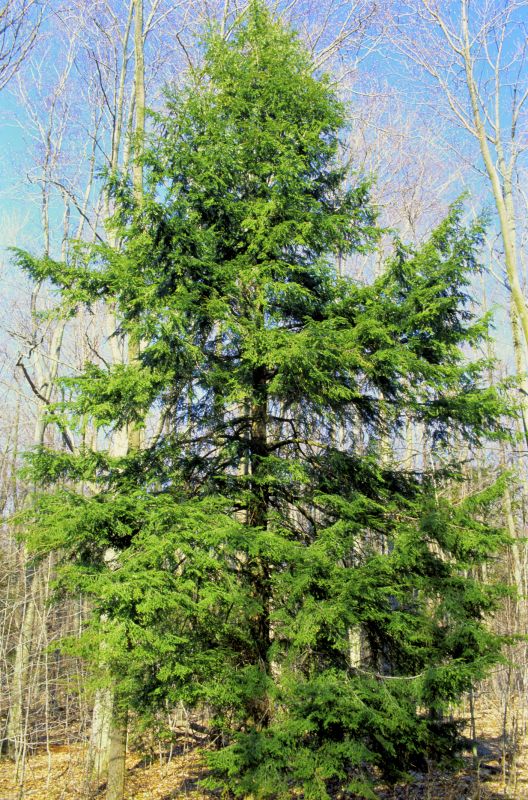
Hemlock Removal in Philadelphia, PA
Hemlock removal services involve the safe and effective elimination of hemlock trees from residential properties. This work typically covers projects where homeowners need to remove overgrown, damaged, or hazardous hemlocks that may pose risks to structures, nearby plants, or safety. Property owners often seek this service when trees are diseased, leaning dangerously, or obstructing views and sunlight, helping to improve landscape health and safety.
Before requesting hemlock removal, property owners should consider the size, location, and condition of the trees in question. Understanding whether the trees are close to buildings, power lines, or other structures is important for planning the removal process. Additionally, knowing if there are any local regulations or permits required for tree removal can help ensure the project proceeds smoothly. Clear communication about the scope of the work and the reasons for removal can assist in achieving the desired outcome.
Many property owners in Philadelphia, PA look into Hemlock Removal for repairs, replacements, upgrades, and appearance-related improvements.
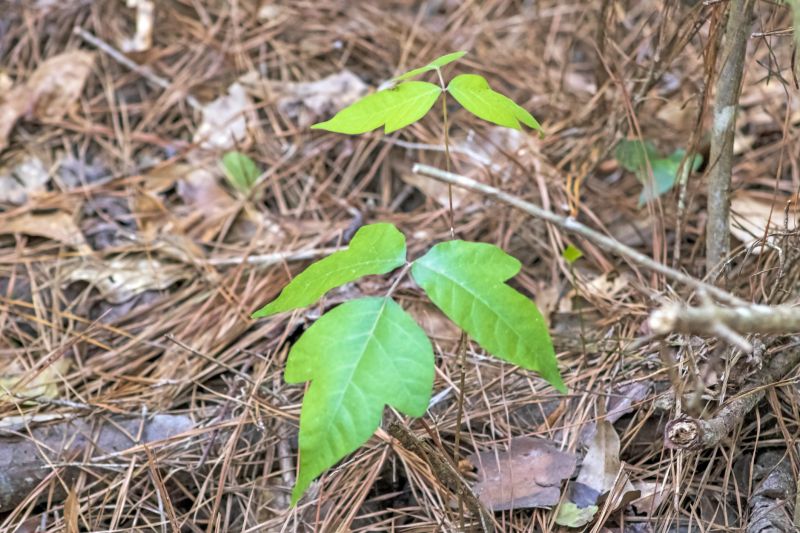
Benefits Of Hemlock Removal
Removing hemlocks can improve landscape safety and prevent property damage.
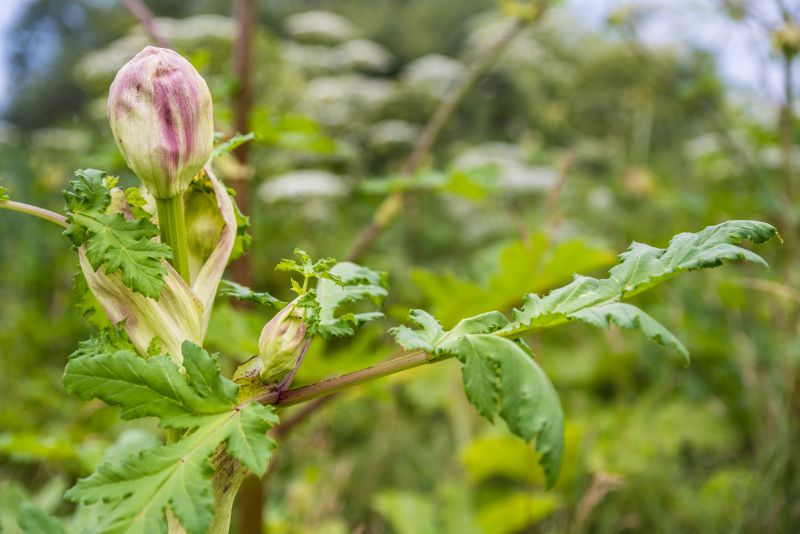
Signs Hemlock Removal Is Needed
Signs include disease, pest infestation, or overgrowth that threatens nearby structures.
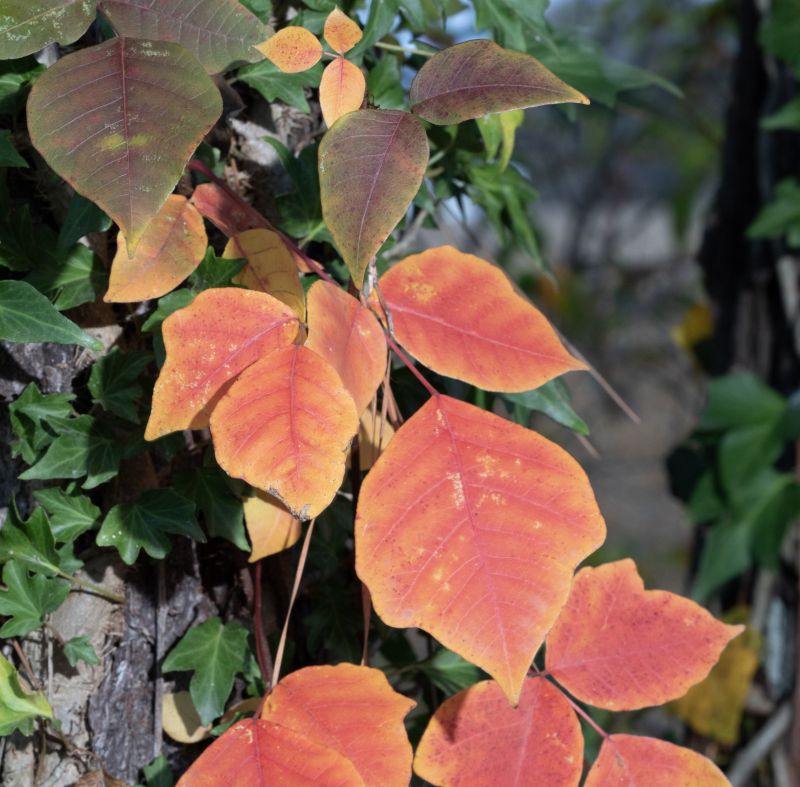
Considerations For Hemlock Removal
Proper removal helps maintain the health of surrounding trees and ensures safe property conditions.
Hemlock Removal in Philadelphia, PA

Hemlock removal services involve the safe and effective elimination of hemlock trees from residential properties. This work typically covers projects where homeowners need to remove overgrown, damaged, or hazardous hemlocks that may pose risks to structures, nearby plants, or safety. Property owners often seek this service when trees are diseased, leaning dangerously, or obstructing views and sunlight, helping to improve landscape health and safety.
Before requesting hemlock removal, property owners should consider the size, location, and condition of the trees in question. Understanding whether the trees are close to buildings, power lines, or other structures is important for planning the removal process. Additionally, knowing if there are any local regulations or permits required for tree removal can help ensure the project proceeds smoothly. Clear communication about the scope of the work and the reasons for removal can assist in achieving the desired outcome.
Many property owners in Philadelphia, PA look into Hemlock Removal for repairs, replacements, upgrades, and appearance-related improvements.
Common Hemlock Removal Jobs
Hemlock Removal - clearing invasive hemlock trees to protect landscape health.
Hemlock Thinning - reducing tree density to improve air circulation and sunlight access.
Hemlock Stump Removal - eliminating stumps to prevent regrowth and improve yard aesthetics.
Hemlock Tree Trimming - shaping and pruning to maintain tree health and safety.
Hemlock Disease Management - removing infected trees to prevent the spread of pests and diseases.
Hemlock Replanting - replacing removed trees with suitable native species for landscape enhancement.
Hemlock Removal Questions
Why should Hemlocks be removed? Hemlocks can pose safety hazards if they become unstable or diseased, and removal can prevent damage to nearby structures and trees.
What signs indicate a Hemlock needs removal? Signs include extensive pest infestation, disease symptoms, leaning, or dead branches that threaten safety or health.
Is Hemlock removal necessary for health reasons? Yes, removing unhealthy or infested Hemlocks helps protect the overall landscape and prevents the spread of pests or disease.
What are common reasons for removing Hemlocks? Common reasons include safety concerns, disease management, property improvement, or clearing space for new landscaping.
Request Hemlock Removal in Philadelphia, PA
Use the quote form on this page to share the basics of your project and request more information for the type of work you need.