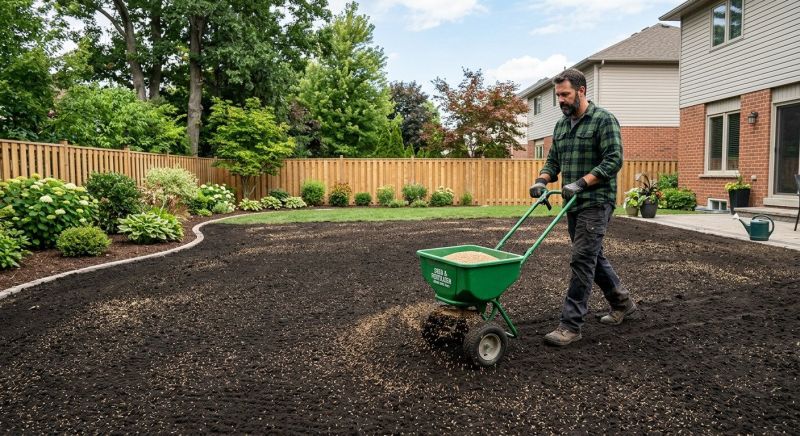
Yard Seeding in Honolulu, HI
Yard seeding services involve planting new grass or turf to establish a healthy, lush lawn. This process is suitable for a variety of projects, including repairing bare patches, improving an existing lawn’s density, or establishing a new yard from scratch. Property owners typically want to understand the types of grass that will thrive in their specific climate, the best time for seeding, and any preparation needed before planting. Proper soil preparation and choosing the right seed variety can significantly impact the success of the project and the overall appearance of the yard.
Before requesting yard seeding, homeowners often consider factors such as the size of the area to be seeded, the current condition of the soil, and any ongoing lawn care routines. Understanding the different seeding methods-such as traditional overseeding or using specialized equipment-can help determine the most effective approach. Clear communication about expectations, maintenance requirements, and the timeline for germination can ensure the project aligns with property goals and results in a vibrant, healthy lawn.
Many property owners in Honolulu, HI look into Yard Seeding for repairs, replacements, upgrades, and appearance-related improvements.
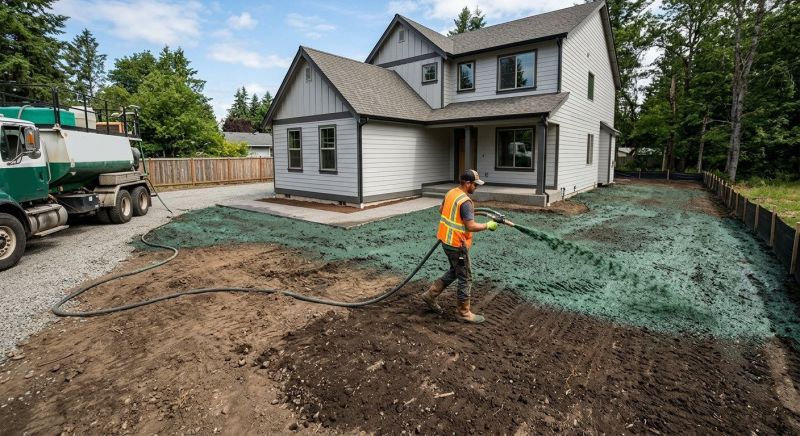
Lawn Restoration
Seeding helps repair bare or damaged areas to create a lush, even lawn.
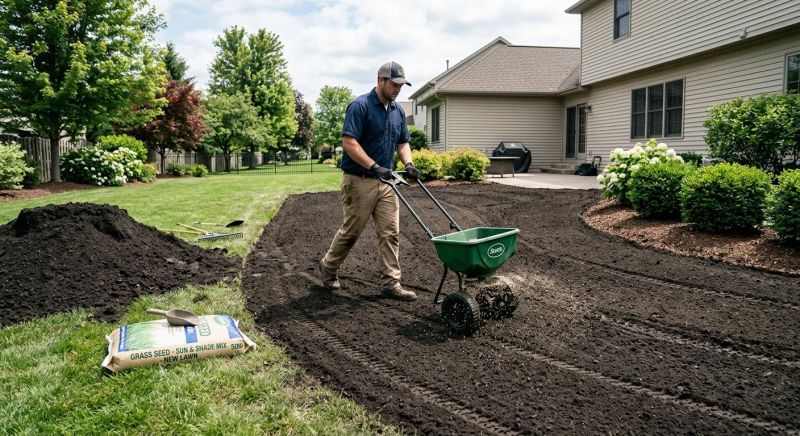
Soil Preparation
Proper seeding involves preparing the soil for optimal grass growth and health.
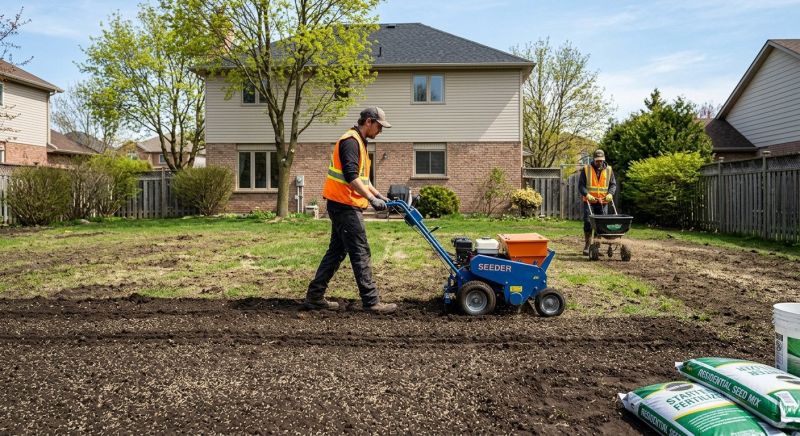
Property Enhancement
A well-seeded yard improves curb appeal and provides a safe space for outdoor activities.
Yard Seeding in Honolulu, HI
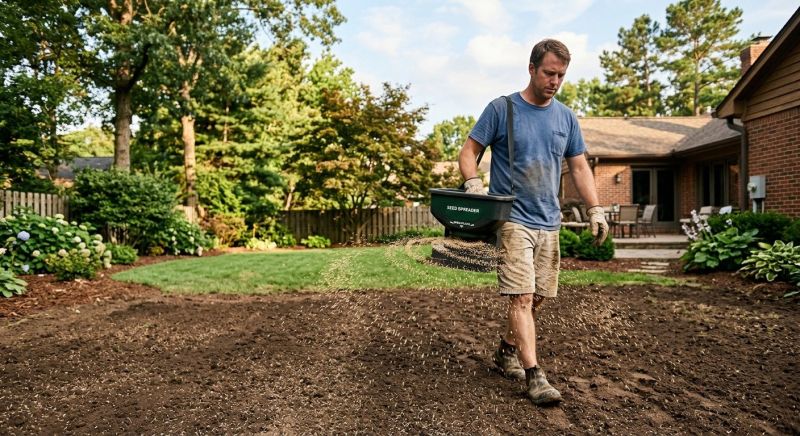
Yard seeding services involve planting new grass or turf to establish a healthy, lush lawn. This process is suitable for a variety of projects, including repairing bare patches, improving an existing lawn’s density, or establishing a new yard from scratch. Property owners typically want to understand the types of grass that will thrive in their specific climate, the best time for seeding, and any preparation needed before planting. Proper soil preparation and choosing the right seed variety can significantly impact the success of the project and the overall appearance of the yard.
Before requesting yard seeding, homeowners often consider factors such as the size of the area to be seeded, the current condition of the soil, and any ongoing lawn care routines. Understanding the different seeding methods-such as traditional overseeding or using specialized equipment-can help determine the most effective approach. Clear communication about expectations, maintenance requirements, and the timeline for germination can ensure the project aligns with property goals and results in a vibrant, healthy lawn.
Many property owners in Honolulu, HI look into Yard Seeding for repairs, replacements, upgrades, and appearance-related improvements.
Common Yard Seeding Jobs
Yard seeding - introduces new grass to bare or thin areas for a lush lawn.
Overseeding - repairs damaged or patchy grass by spreading fresh seed over existing turf.
Spring seeding - revitalizes lawns after winter dormancy to promote healthy growth.
Fall seeding - prepares lawns for winter by establishing strong root systems before colder months.
Shade grass seeding - selects suitable seed mixes for shaded or partially shaded yard areas.
Erosion control seeding - stabilizes slopes and prevents soil loss with quick-growing grass varieties.
Yard Seeding Questions
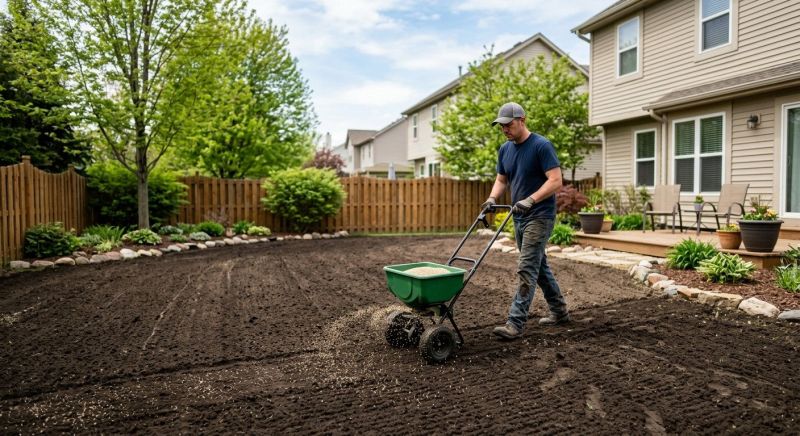
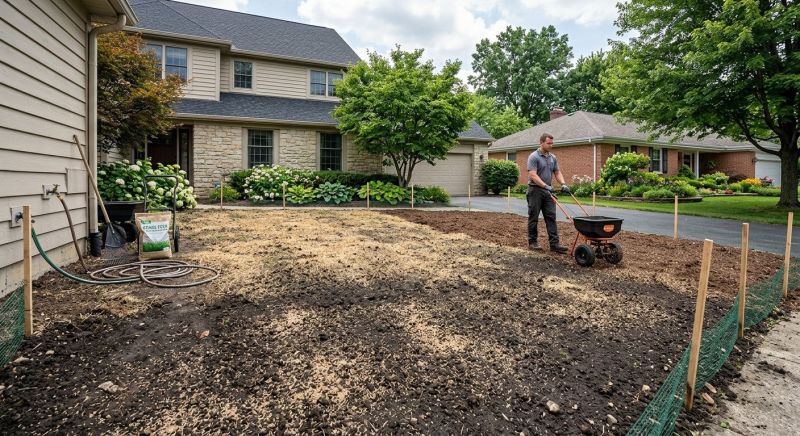
What is yard seeding? Yard seeding involves spreading grass seed to promote new grass growth or repair bare patches on a lawn.
When is the best time for yard seeding? The optimal time for seeding depends on the grass type, but generally it is during the cooler months of spring or fall.
What types of grass can be seeded? Common options include Bermuda, St. Augustine, or Zoysia, depending on the climate and soil conditions.
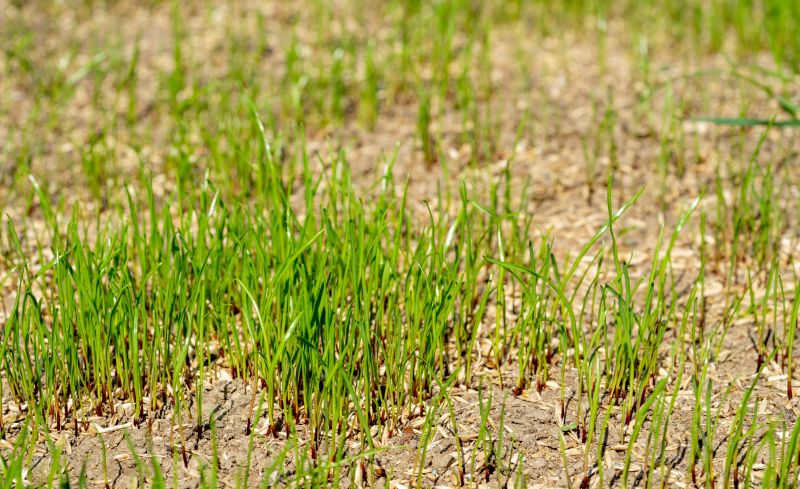
How does yard seeding improve a lawn? Seeding helps create a thicker, healthier lawn by filling in bare spots and encouraging even grass coverage.
Request Yard Seeding in Honolulu, HI
Use the quote form on this page to share the basics of your project and request more information for the type of work you need.